
The Hidden Hormone Disruptors in Your Daily Routine

7 Unsuspecting Culprits
When hormones feel out of balance, many people begin their search for answers by looking inward. They often consider factors such as food, stress, or supplements.
However, not everything that affects your endocrine system originates from within your body. Sometimes, the body reacts to substances you come into contact with, inhale, or unknowingly apply to your skin on a daily basis.
This is not about creating fear or rejecting all synthetic products. However, if you are experiencing persistent symptoms, such as irregular cycles, irritability, fatigue, weight fluctuations, hair loss, or acne, it can be helpful to examine your daily environment. Small changes, particularly those applied closest to your skin, can have a surprisingly significant impact.
This list is not exhaustive; it serves as a starting point for your observations and research.
1) That vanilla-scented candle in the living room
What feels cozy to the senses might actually be disturbing your system. Many scented candles are made from synthetic fragrances, which release phthalates and volatile organic compounds (VOCs) when burned. These substances can mimic estrogen in the body. If you experience a slight headache after lighting a candle or feel more bloated later in the evening, these symptoms may be connected.
2) The body lotion you picked up because it “smells clean”
Fragrance in personal care products often serves as a stand-in for many unidentified chemicals, which can include known endocrine disruptors. Since these products are applied directly to the skin, the chemicals can be readily absorbed into the body. If you’ve noticed itchy skin or worsening PMS symptoms, it’s a good idea to check the ingredient list on the bottle.
3) Plastic leftovers warmed up in the microwave
It’s convenient and something many of us do automatically, such as putting leftover curry into the office microwave, container and all. However, when plastic is heated, chemicals like BPA and BPS can leach into your food. These compounds have been researched for their ability to mimic estrogen. Even products labeled “BPA-free” may not necessarily be safer alternatives.
4) Tap water that hasn’t been filtered
Municipal water systems are generally safe; however, they are not completely free from hormone-disrupting compounds. Traces of substances like birth control, industrial runoff, and agricultural chemicals have been detected in drinking water. If you are already sensitive to hormonal fluctuations, these contaminants may be an unseen factor affecting you. Using a high-quality carbon filter can help reduce these compounds in your water.
5) The receipts in your purse or glove compartment
Thermal paper contains BPA, and handling it can transfer small amounts through the skin. This exposure is subtle, but for those dealing with hormonal challenges, these daily contacts can accumulate.
6) Laundry detergent that lingers on your clothes
Strong-smelling laundry products may indicate a high level of chemicals. Residue from detergents and dryer sheets can linger on clothing and towels for hours after use, meaning your skin remains in contact with these substances long after the wash cycle is finished. If you experience skin irritation or increased sensitivity to smells, it may be worth reconsidering the products you use.
7) That nonstick pan you’ve had since college
Cookware that is coated with older nonstick chemicals, such as PFOA, can break down over time, particularly when exposed to high heat. These substances have been associated with endocrine disruption and can accumulate in the body. If you notice scratches on the surface, it’s a good indication that it’s time to replace your cookware with safer alternatives, such as cast iron or stainless steel.
There’s no need to panic about this. Many of us encounter these issues on a daily basis. The objective isn’t to eliminate everything at once or to treat your life like a chemistry lab.
A more effective approach is to foster curiosity. Consider what you touch frequently, what enters your environment without your intention, and how your body responds when you make even small changes.
If you suspect your hormones are interrupting your life, call or text me to schedule a time to chat. 717-556-8103
Building a Hormone-Supportive Snack Plate (Beyond Protein Bars)
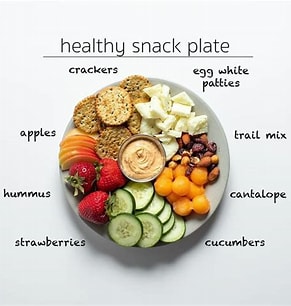
There’s a moment, often in the late afternoon, when you realize you’ve gone a bit too long without eating. You’re not starving, exactly, but your brain feels foggy, your patience wears thin, and your energy feels shaky in a way that doesn’t match the task at hand. You’re still upright and functioning, but you’re not quite steady.
This is usually when people reach for something quick and packaged — something with a label that says “energy” or “balance” on the front. It makes sense; we’re busy and we’re trying to make it through the day. However, these moments invite us to pay attention to what our bodies actually need and consider whether our go-to snacks provide genuine support or just temporary relief.
Blood sugar, cortisol, and sex hormones constantly interact with one another. When meals are too far apart or made up of only one macronutrient, it impacts more than just hunger. It influences our mood, mental clarity, resilience, and our ability to wind down later. That 3 p.m. snack has effects that extend well beyond the moment you consume it.
Instead of striving for “perfect nutrition,” what if we approached this with curiosity?
What would it be like to create snack plates that truly respond to your hormonal needs at that specific time of day — not as a strict rule, but as a way of tuning in to your body?
Let’s explore a few angles that can help:
1. Combine warmth and grounding when your system feels scattered.
There are days when raw almonds and hummus just don’t satisfy — not because they are “bad,” but because your nervous system is already on edge. If you’ve just come out of a tense meeting or haven’t had a chance to sit down since noon, warming your food, like cooked apples with cinnamon and tahini, can help your body recognize nourishment more effectively. Heat provides a sense of comfort and reminds the gut that it’s safe to relax and shift gears.
2. Include fats that feel stable, not greasy.
Not all fats feel the same in the body; some can leave a residue, whether physical or emotional. When your hormones are fluctuating, it’s beneficial to choose fats that don’t weigh you down or cause erratic energy spikes. A handful of pumpkin seeds, a swipe of ghee on warm toast, or half an avocado with a sprinkle of salt can help create a gradual rise in blood sugar. This is particularly appreciated by your adrenals, especially during times of increased stress. It’s less about strictly following a list of “healthy fats” and more about understanding which ones keep you feeling steady rather than sluggish.
3. Don’t forget salty and savory, especially before your period.
There is a common tendency to attach moral judgments to snacks, categorizing sweet options as indulgent, salty ones as unhealthy, and crunchy snacks as mere cravings. However, if you find yourself craving something salty a few days before your menstrual cycle, it may actually be your body signaling a need for certain minerals — particularly sodium, potassium, and magnesium. These mineral levels can fluctuate in response to changes in estrogen and progesterone. Foods like a few olives, seaweed snacks, or roasted root vegetables with miso dressing are not just cravings; they can provide valuable insights into what your body needs.
4. Use protein as a stabilizer, not a centerpiece.
You’ve likely heard the advice to “eat more protein” frequently, and protein is indeed essential. However, it doesn’t always have to come from a protein bar or shake. In snack form, protein can be more subtle and still beneficial. Consider options like a boiled egg, a slice of smoked salmon, a spoonful of almond butter, or leftover chicken mixed into a small bowl of lentil soup. The aim is to provide your blood sugar with something to stabilize it, rather than forcing yourself to meet a macro target when your appetite is simply saying, “That’s enough.”
5. Pay attention to texture, especially when you feel overstimulated.
When your senses feel overwhelmed, the last thing your body needs is crunchy, loud, or overly sweet foods. Instead, focus on textures that are soft and gentle, such as soft-boiled eggs, yogurt with chia seeds, and steamed carrots. These options aren’t about being “better”; they’re about easing the load on your system. Hormonal sensitivity often starts in the nervous system rather than the endocrine system.
6. Reclaim the snack as a moment of recalibration, not just fuel.
Many of us eat while standing, between tasks, while driving, or while responding to messages. However, your hormones are more sensitive to your eating habits than you might realize. Sitting down, even for just five minutes, activates your vagus nerve, slows your exhale, and signals to your digestive system that it can start working. It doesn’t have to be a formal ritual, but giving your snack a plate, a place to sit, and a moment of pause allows your body to process it more effectively. This approach can be as beneficial as the nutrients themselves.
7. When you don’t feel hungry but know you’ll crash soon, lean on liquids.
Sometimes, hormones can suppress your appetite, but you might also experience shakiness or brain fog if you wait too long to eat. This is where blended snacks can be helpful. For instance, a warm smoothie made with oats, coconut milk, cinnamon, and a pinch of salt can be easier to digest than solid foods. Alternatively, a small mug of bone broth with lemon and olive oil can be a soothing treat. While these options are not meant to replace meals, they can help keep your body supported while your hunger cues catch up.
Snacks are one of the most common forms of nourishment that we engage in, making them powerful — not because of their content, but because they encourage us to check in with ourselves.
Want to go deeper? This post is part of a free series I send to my email list. Make sure you’re on it.
Unlocking Digestive Health
The Secret to Shedding Stubborn Weight
Blood Sugar Support
A Whole Person Care Approach
Histamine Intolerance
Histamine is a biochemical that sends red flag messages to your immune system, notifying your white blood cells to rally up against potential attackers that may be infecting your tissues. Many common, tasty, nutritious foods contain histamine. And there are just as many foods that trigger the release of histamine and allergic reaction in your body.
Histamine activates the immune system in the presence of illness or infection and causes blood vessels to dilate so that immune cells can quickly reach the site of concern. When this compound is not broken down properly by the body, it can cause symptoms such as headaches, dizziness, anxiety and congestion — a condition known as histamine intolerance. People who experience symptoms of this intolerance are best treated by way of dietary modifications that help to eliminate outside sources of histamine.
What are the functions of histamine?
Histamine is an organic nitrogenous compound involved in local immune responses, as well as regulating physiological function in the gut and acting as a neurotransmitter for the brain, spinal cord, and uterus. Histamine is involved in the inflammatory response and has a central role as a mediator of itching.
Managing Histamine Intolerance
People with histamine intolerance have low levels of an enzyme called diamine oxidase, which acts to break down the histamine naturally found in foods. Because histamine is building up in their bodies, they experience symptoms such as rashes, anxiety, sleep problems and congestion. Histamine is present in many foods, but especially aged foods and beverages such as red wine, cheddar cheese and vinegar.
• Alcohol, primarily wine, champagne and beer
• Pickled or canned foods – sauerkraut. pickles, mayonnaise, olives
• Matured cheeses, including goat cheese
• Cured/Smoked meat products – salami, ham, sausages, bacon, salami, pepperoni, lunch meats and hot dogs
• Shellfish
• Various species of fish: mackerel, mahi-mahi, tuna, anchovies, sardines
• Beans and pulses – chickpeas, soy beans, peanuts
• Nuts – walnuts, cashew nuts, cashews, and peanuts
• Chocolates and other cocoa based products
• Avocados, eggplant, spinach, and tomatoes
• Most citric fruits, apricots, prunes, dates, figs, raisins
• Wheat based products
• Vinegar
• Processed and Ready-made meals
• Salty snacks, sweets with preservatives and artificial colorings
• Soured foods: sour cream, sour milk, buttermilk, sour dough bread
Foods that are Histamine Liberators (they can trigger the release of histamines from specific white blood cells)
• Most citric fruits – kiwi, lemon, lime, pineapple, plums…
• Cocoa and chocolate
• Nuts
• Papaya
• Beans and pulses
• Tomatoes
• Wheat germ
• Additives – benzoate, sulphites, nitrites, glutamate, food dyes
Fruits and Vegetables
Fruits and vegetables are very important in a histamine-reducing diet, but some contain more histamine than others. Fruits such as apples, bananas, melons, figs, grapefruit, grapes, kiwi, mango and pears contain low levels of histamine and will not contribute to symptoms. But fruits such as apricots, cherries, cranberries, peaches, berries, nectarines and oranges contain high levels of histamine and should be avoided. With the exception of eggplant, pumpkin, sauerkraut, spinach and tomato, fresh vegetables will not exacerbate the symptoms of someone who is histamine-intolerant.
Protein Issues
Organic, fresh meats and poultry are typically safe for someone with histamine intolerance to consume. If the meat is processed or left over from a previous meal, however, the histamine content of the meat increases. Fish and shellfish are also high in histamine and may cause symptoms. Plain, cooked eggs are low in histamine, but foods and beverages such as eggnog or milkshakes may be problematic because other ingredients contain high amounts of histamine. Nuts and seeds are safe to consume, but red beans and soy may lead to a flare-up of symptoms.
Drinks and Smoothies
Regular milk does not contain large amounts of histamine, but avoid strawberry- and chocolate-flavored milks because the additives may exacerbate symptoms. Fresh fruit juices, smoothies made with fresh fruits and commercial organic fruit juices are safe to consume, but avoid fruit juice cocktails and highly processed juices. Carbonated mineral water will not cause symptoms, but stay away from sodas and other carbonated beverages. Similarly, coffee is safe to drink, but tea and beverages with flavoring and spices will likely cause a worsening of symptoms. Finally, plain vodka, gin and white rum are all low in histamine, but avoid other alcoholic drinks such as beer, wine and cider.
Are Supplements Really Necessary?
Immune Protection
Support for Flu and Viruses
Lately, the one question that keeps resounding from my clients is “How do I keep from getting sick this winter?” While it would be great if I had the answer to that question, I do know ways to keep your immune system in tip top shape so your body can fight off viruses, colds, and even the flu.
The 4 major illnesses that have hit us hard since the beginning of December are norovirus (aka stomach bug or stomach flu), respiratory syncytial virus (RSV), influenza and COVID. I am going to highlight symptoms of the norovirus as reported cases so far this year (2024) are double what they were in previous years. The fast and furious, norovirus shows up with vomiting, diarrhea, nausea and sometimes stomach cramps and is most prevalent from November to April. One thing to remember about norovirus is you will get sick quickly but it doesn’t last very long, usually one to three days. Symptoms begin approximately 12 to 48 hours after exposure.
How do you protect yourself from exposure? Many of us are exposed and never have symptoms. This virus can survive on hard surfaces for days to weeks. The best prevention is to wash your hands with soap and water vigorously as many times a day as possible and especially after touching anything in public areas, such as grocery carts, door handles, public restrooms, etc. Alcohol in hand sanitizers do not effectively kill or remove this virus from your skin; soap and water are your best options. Covering your coughs and sneezes limits the spread of germs to protect others. To remove germs and dirt on hard surfaces, use household cleaners that contain soap or detergent.
If you do get sick, drink plenty of fluids, in whatever form you can such as tea, water and something with electrolytes such as Gatorade. Other options to help re-establish your electrolytes are chicken soup, broth and potato chips or pretzels.
No one is immune from being exposed to these viruses but there are things you can supplement with throughout the year to help your immune system be in tip top shape. Even if you start armoring up now, you will give yourself a much better chance of escaping these nasty illnesses. My favorite supplement for this is appropriately named Immune Support. What I appreciate about this supplement is that all you need is in a convenient pack taken daily and includes the top immune boosting nutrients and botanicals that work synergistically to strengthen the body’s immune response. Click the link if you would like to have more information or order this product for you and your family. Keep in mind, 1 pack daily for adults.
https://us.fullscript.com/o/care-center/products/U3ByZWU6OlByb2R1Y3QtOTQ3ODk=
If you have children under the age of 13, this is a great product for their immune support.
If you are taking medications, please reach out to me to ensure these supplements will be safe to take with your prescriptions.
Another simple thing you can do for yourself is participate in far infrared or full spectrum infrared saunas, 1 – 2 x weekly. These sessions help detox the body therefore giving the immune system another boost! And what feels better than 120 degrees when it’s freezing outside?
Cravings

GLP-1’s and Natural Alternatives
What Is GLP-1?
- GLP-1 (Glucagon-like peptide-1) is a hormone released after meals.
- It helps regulate:
- Blood sugar by stimulating insulin release
- Appetite by reducing cravings and increasing fullness
- Digestion by slowing stomach emptying for steady nutrient absorption
What Are GLP-1 Medications?
GLP-1 medications are prescribed drugs that mimic the hormone glucagon-like peptide-1 (GLP-1). They bind GLP-1 receptors to increase glucose‑dependent insulin release, lower glucagon, slow gastric emptying, and reduce appetite.
How they work:
- Pancreas: boost insulin secretion only when blood glucose is elevated and suppress glucagon secretion, lowering blood sugar.
- Gut and brain: slow stomach emptying and act on appetite centers to reduce hunger and food intake.
Common drugs in the class
- Exenatide (Byetta; Bydureon)
- Liraglutide (Victoza; higher-dose Saxenda for weight loss)
- Dulaglutide (Trulicity)
- Lixisenatide (Adlyxin)
- Semaglutide (Ozempic injection; Rybelsus oral; Wegovy for weight loss at higher dose)
- Tirzepatide (Mounjaro) is a dual GLP-1/GIP agonist with similar metabolic effects (often discussed alongside GLP-1s).
What Are Some of the Listed Side Effects of GLP-1 Medications?
Common side effects: nausea, vomiting, diarrhea, constipation, and sometimes injection‑site reactions; these often lessen over time. Rare but important: pancreatitis has been reported with use of GLP-1 Medications.
Benefits
Improved blood sugar control; meaningful weight loss with some agents; possible cardiovascular and kidney benefits in trials.
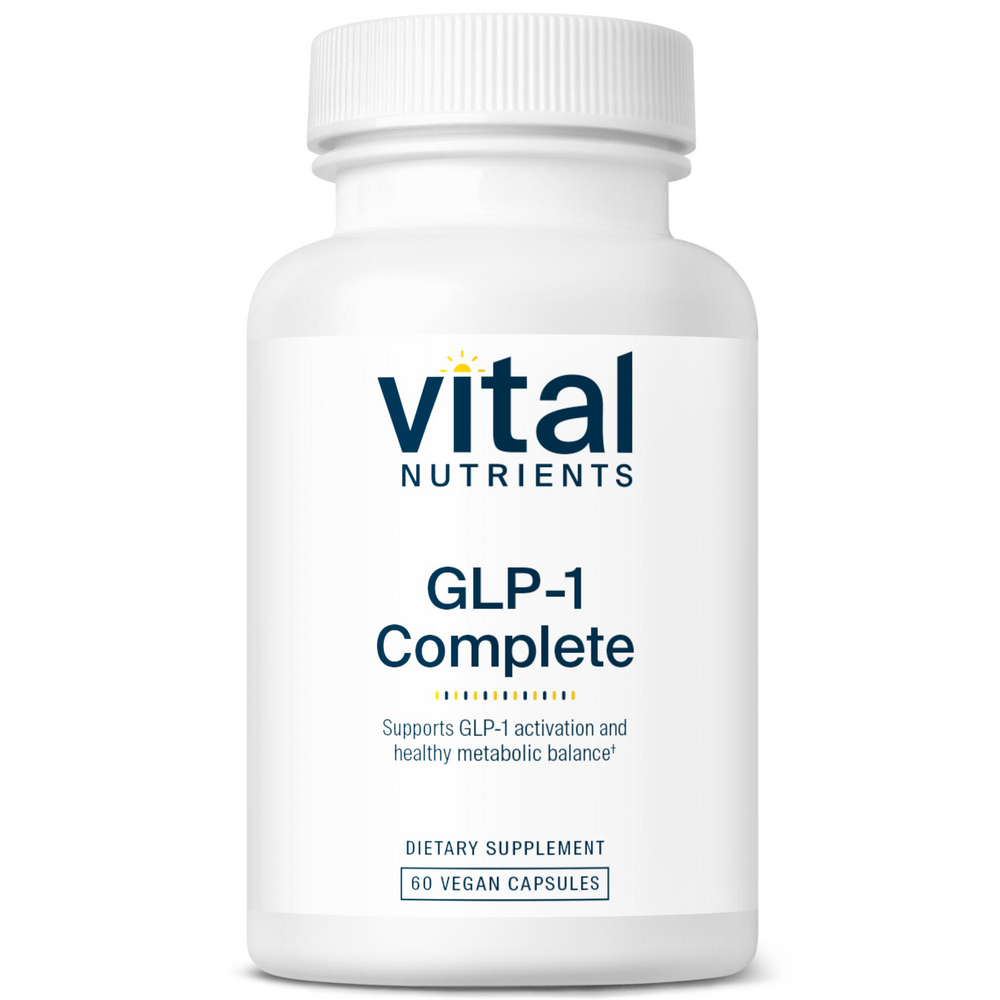
There are a variety of natural solutions to activate GLP-1 receptors. GLP-1 Complete is one of the natural alternatives to prescription GLP-1 medications.
What Is GLP-1 Complete?
- A next-generation natural solution designed to activate and sustain GLP-1 receptors.
- Supports weight management, appetite control, and digestive health without prescription drugs.
- Works by combining prebiotics, probiotics, postbiotics, and plant-based activators that mimic GLP-1’s natural effects.
Benefits
- Enhances GLP-1 receptor activation → stronger and longer-lasting satiety signals
- Controls appetite & cravings → hops extract, probiotics, and postbiotics help reduce overeating
- Supports digestive health → prebiotics encourage growth of Akkermansia muciniphila, a beneficial gut bacteria linked to GLP-1 signaling
- Clean formula → free from gluten, dairy, soy, nuts, artificial flavors, and sweeteners; vegan and non-GMO
Why Choose a Natural Alternative?
- Gentle on the body: Activates GLP-1 receptors naturally through nutrition and gut health
- Fewer side effects: Compared to prescription medications, natural activators tend to be better tolerated
- Whole-body support: Improves metabolic balance, digestion, and sustained energy levels
- Lifestyle-friendly: Complements healthy eating and exercise habits
✅ Key Takeaways
- GLP-1 receptors are central to blood sugar control, appetite regulation, and digestion.
- GLP-1 Complete offers a natural way to support these receptors using nutrients and botanicals.
- This approach may help patients who want to manage weight and cravings without prescription medications.
- Always consult your healthcare professional before starting new supplements.